
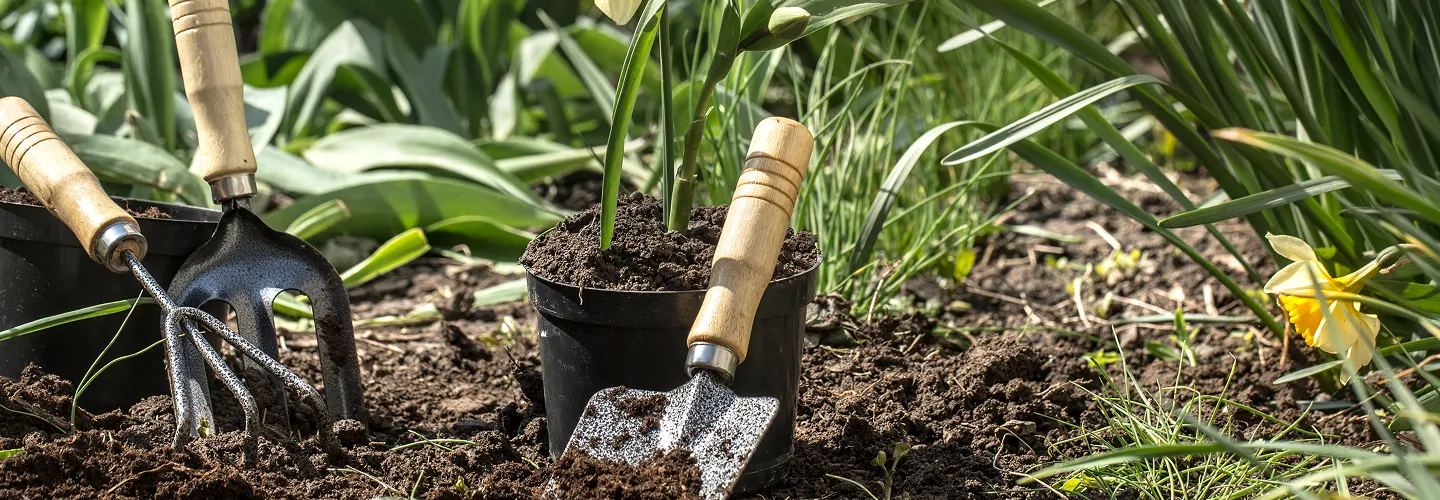
Westerly Flower Bed Maintenance Services
Choose our Flower Bed Maintenance for expert care that ensures your blooms stay healthy, beautiful, and weed-free—so you can enjoy a stunning garden without the hassle.
Get a Free QuoteOur Westerly Landscaping & Yard Care Services
When to Schedule Flower Bed Maintenance in Westerly, Rhode Island – Seasonal Guide
In Westerly, Rhode Island, the best times for flower bed maintenance are closely tied to our unique coastal climate and the rhythms of the local environment. Early spring, just after the last frost date—typically in late April—is ideal for cleaning up beds, refreshing mulch, and preparing soil for new plantings. Fall maintenance, especially in neighborhoods like Watch Hill and Avondale, is equally important for removing spent annuals, dividing perennials, and protecting beds from winter moisture and cold snaps.
Westerly’s proximity to the Atlantic means we experience high humidity and occasional salt spray, which can affect soil health and plant selection. Shaded areas near Wilcox Park or along the Pawcatuck River may require different timing and care compared to sunnier, open yards. It’s also important to consider local municipal guidelines regarding water use and landscaping, especially during periods of drought risk or heavy rainfall.
Local Factors to Consider for Flower Bed Maintenance in Westerly
- Tree density and shade coverage, especially in established neighborhoods
- Soil type and drainage, which can vary from sandy near the coast to loam inland
- Average precipitation and risk of late spring or early fall frosts
- Terrain and slope, impacting runoff and erosion
- Municipal restrictions on watering or fertilizer use
- Proximity to saltwater, which can influence plant health and maintenance needs
Benefits of Flower Bed Maintenance in Westerly
Enhanced Curb Appeal
Weed and Pest Prevention
Healthier Plant Growth
Seasonal Color Variety
Professional Expertise
Time and Effort Savings

Westerly Flower Bed Maintenance Types

Seasonal Flower Planting
-
Weed Control Services
-
Mulching and Soil Conditioning
-
Pruning and Deadheading
-
Fertilization Programs
-
Pest and Disease Management
-
Edging and Bed Redefining
Our Flower Bed Maintenance Process
Site Evaluation
Weed Removal
Soil Preparation
Plant Care
Mulching
Why Choose Westerly Landscape Services
-
Westerly Homeowners Trust Us
-
Expert Lawn Maintenance
-
Reliable Seasonal Cleanup
-
Competitive Pricing
-
Professional Team
-
Satisfaction Guarantee
-
Personalized Service
Westerly’s Glacial Till Soils and Drainage Considerations for Flower Bed Maintenance
Westerly’s predominant soils, as identified by the USDA Web Soil Survey, are Inceptisols and Udults formed from glacial till, often characterized by moderate acidity (pH 5.5–6.5) and variable drainage. Many residential areas experience poorly drained conditions, with seasonal water tables as shallow as 12–18 inches. For effective flower bed maintenance, it is essential to:
- Incorporate 2–3 inches of compost tilled to a 6-inch depth
- Apply lime if pH is below 6.0 (based on soil test)
- Use raised beds in areas with persistent wetness
- Select species tolerant of periodic saturation, such as astilbe and cardinal flower Soil testing is available through the University of Rhode Island Cooperative Extension, with typical costs of $15–25 per sample. Proper soil amendment and drainage management are critical for sustainable plant health in Westerly’s unique glacial landscape.
Municipal Collection Schedules and Yard Waste Disposal for Westerly Flower Beds
Proper disposal of flower bed debris in Westerly is governed by municipal collection programs. Yard waste is collected weekly on Thursdays from April through November. Residents must use biodegradable paper bags or reusable bins (32-gallon maximum); plastic bags and branches over 4 inches in diameter are prohibited. Accepted materials include:
- Leaves and grass clippings
- Flower bed trimmings and annuals
- Brush under 4 feet in length Improper disposal, such as placing debris in storm drains, is a violation of Westerly’s MS4 permit under the Clean Water Act. For questions on collection schedules or container requirements:
Westerly RI Department of Public Works
45 Broad Street, Westerly, RI 02891
Phone: (401) 348-2561
Official Website: Westerly RI Department of Public Works
Environmental Compliance: Wetland Buffers and Stormwater Protection in Westerly
Flower bed maintenance near Westerly’s wetlands, streams, and conservation areas requires strict adherence to buffer regulations. A 25-foot no-disturbance buffer is standard from delineated wetlands, and no fertilizer or pesticide application is permitted within 50 feet of water bodies. The Rhode Island Environmental Rights Act and Westerly’s local ordinances mandate these protections to prevent nutrient runoff and habitat disturbance. Key compliance steps include:
- Maintain 25-foot buffer from all mapped wetlands
- Use only slow-release, phosphorus-free fertilizers
- Avoid debris disposal in or near storm drains
- Schedule maintenance to avoid heavy rain events (check National Weather Service) For site-specific buffer requirements or wetland delineation:
Westerly RI Conservation Commission
45 Broad Street, Westerly, RI 02891
Phone: (401) 348-2549
Official Website: Westerly RI Conservation Commission
Plant Selection for Westerly’s Coastal Microclimate and Hardiness Zone 6b
Westerly’s coastal location places it in USDA Hardiness Zone 6b, with average annual minimum temperatures of -5°F to 0°F. Salt spray, wind exposure, and periodic drought are common challenges, especially near the Pawcatuck River and Atlantic shoreline. Recommended species for flower beds include:
- Full sun: Black-eyed Susan (Rudbeckia hirta), daylily (Hemerocallis), coneflower (Echinacea purpurea)
- Partial shade: Coral bells (Heuchera), hosta, astilbe
- Deer resistant: Lavender (Lavandula), Russian sage (Perovskia), salvia
- Native options: Wild bergamot (Monarda), Joe Pye weed (Eutrochium), cardinal flower (Lobelia cardinalis) Spacing should be 12–24 inches depending on mature size. For additional guidance, consult the University of Rhode Island Cooperative Extension for regionally appropriate plant lists and diagnostic support.
Equipment Operation Hours and Safety Protocols for Flower Bed Work in Westerly
Westerly enforces specific noise and equipment operation ordinances for outdoor maintenance. Permitted hours for powered equipment are:
- Monday–Friday: 7:00 AM – 7:00 PM
- Saturday: 8:00 AM – 6:00 PM
- Sunday and holidays: Prohibited Operators must use commercial-grade equipment with functioning mufflers and maintain noise levels below 85 decibels at property lines. Required personal protective equipment (PPE) includes:
- ANSI Z87.1 safety glasses
- Hearing protection for noise above 85 dB
- Steel-toed boots and cut-resistant gloves for pruning For work near public roads or parks, additional safety measures such as high-visibility vests and traffic cones are required. For ordinance details or safety guidance:
Westerly RI Town Ordinances
45 Broad Street, Westerly, RI 02891
Phone: (401) 348-2500
Official Website: Westerly RI Town Ordinances
What Neighborhoods Do We Serve Throughout Westerly, RI?
- Watch Hill: Features sandy soils with high salt exposure and wind, requiring salt-tolerant and drought-resistant plantings for flower beds.
- Misquamicut: Coastal proximity leads to sandy, well-drained soils and periodic flooding; raised beds and native species are recommended.
- Dunn’s Corners: Suburban development with moderate clay content and compacted soils; soil amendment and drainage management are critical.
- Avondale: Historic area with mature landscaping and proximity to wetlands, necessitating strict buffer compliance and careful species selection.
- Bradford: Larger lots with mixed soil types and occasional deer pressure; fencing and deer-resistant plants are often needed.
- Pleasant View: Residential area with variable drainage and some steep slopes, requiring erosion control and careful bed placement.
- Downtown Westerly: Urban soils with compaction and limited green space; container gardening and soil remediation are common strategies.